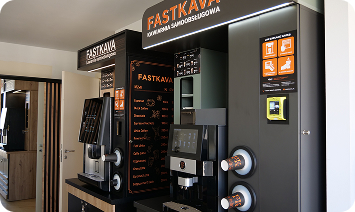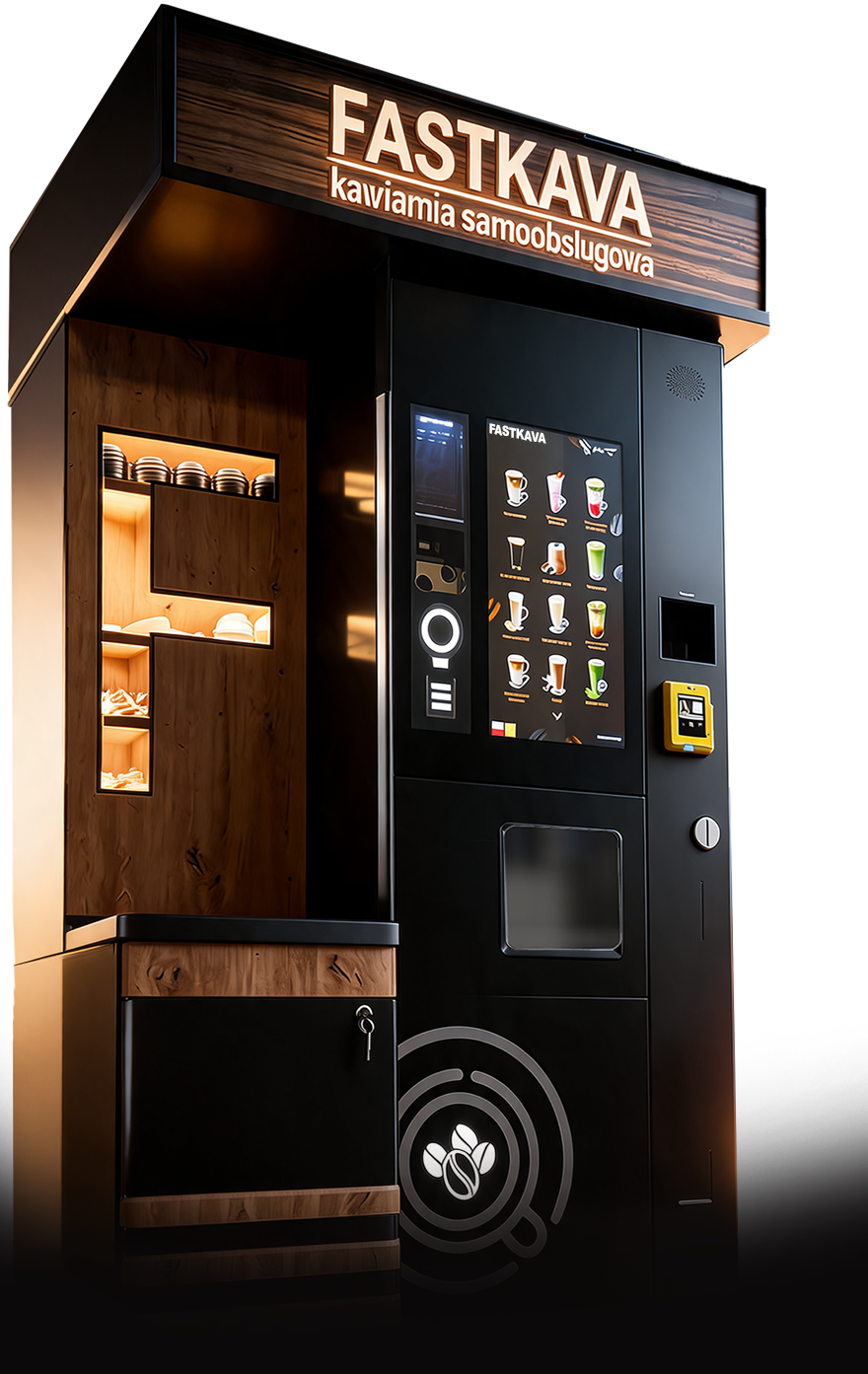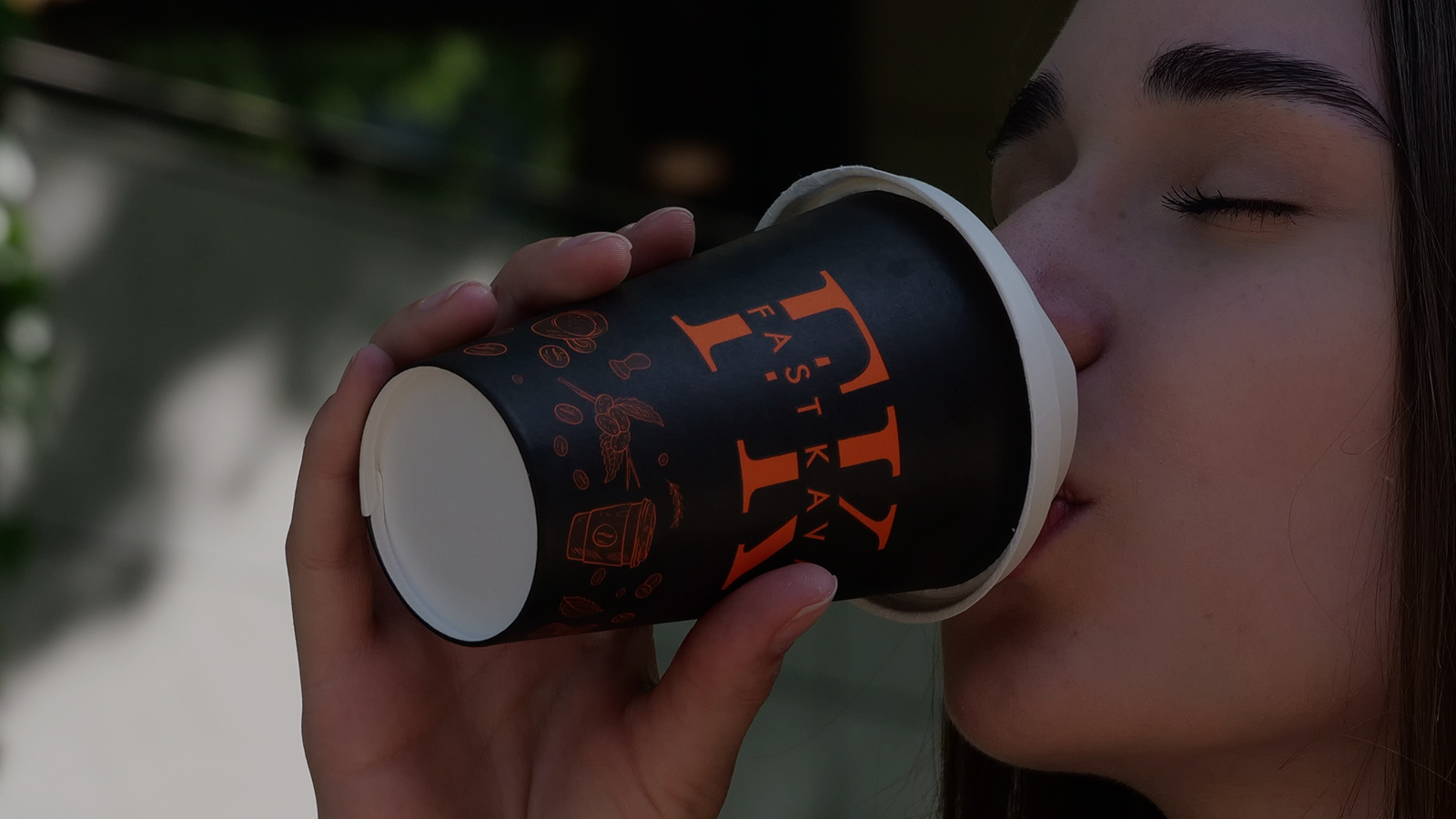
A machine that does more than coffee: matcha, milkshake, protein shakes and lemonades
CONTENTS
Close your eyes for a moment and picture a “self-service machine”. Most people will see a black box with a single button and a cup of bitter, lukewarm instant coffee. That image sells fear of entering this business — and it’s completely outdated. A modern self-service drinks point is, in practice, a miniature, fully automatic café that in a few dozen seconds will serve fresh espresso, a velvety flat white, trendy matcha latte, a creamy milkshake, a post-workout protein shake, hot chocolate for a child and a refreshing lemonade on a hot day.
And it’s exactly this variety — not coffee alone — that today decides whether a point earns real money or merely “ticks over” and barely breaks even. In this article we’ll show why a broad menu is the FASTKAVA machine’s key advantage, back it with hard data on interest in individual drinks in Poland, and translate it all into a concrete earnings mechanism: more customers from the same footfall, a higher receipt and sales that are resistant to the season.
The drinks market moved beyond coffee long ago
For decades, the takeaway drinks market rested on a single pillar — coffee. Today, alongside it, a whole category of drinks has grown that just a few years ago were a niche and now generate huge, daily demand. You see it at every turn — in cafés, in takeaway chains and in what customers reach for before they even stand in front of a machine.
The scale is enormous. Drinks such as matcha latte, flat white, lemonades or iced coffee are today among the most frequently ordered items, reaching far beyond classic black coffee. These aren’t curiosities for baristas — they’re the everyday, mass choice of hundreds of thousands of people looking for drinks that a classic “coffee-only” machine doesn’t offer at all.
Behind these numbers stand real generational shifts. Younger consumers — Gen Z and younger millennials — treat a drink as part of their lifestyle, not just a caffeine dose. Matcha is associated in their minds with “gentle energy” and a healthy ritual. Active people look for protein in a convenient, liquid form. Families with children reach for milkshakes and hot chocolate. In summer, this whole group switches to cold drinks and lemonades. A machine that keeps up with these needs fishes in a far larger pond than one offering espresso only.
“Coffee only” is a strategy that leaves money on the table
Imagine two identical machines standing side by side, in the same corridor with the same footfall. The first offers coffee only. The second — coffee plus matcha, milkshake, protein shake and lemonades. Which will earn more? The answer is obvious, but it’s worth breaking it down, because this isn’t a matter of “a few pennies more”.
A “coffee-only” machine loses three customer groups at once. It loses those who don’t want coffee at that moment — in the afternoon, in the evening, after a workout. It loses those who don’t drink coffee at all — and that’s a large share of younger customers and children. And it loses the summer footfall, when in the heat demand for hot drinks falls and demand for cold ones rises. Each of these people walks past, even though the machine stands in a perfect spot with footfall right under its nose.
That’s the most expensive kind of loss in this business — the loss of a customer who has already walked up to you. You didn’t pay to acquire them, they showed up on their own, and yet they left empty-handed because the menu didn’t have what they were looking for. A broad menu closes that gap: it turns the same foot traffic into more transactions, with no additional marketing spend whatsoever.
What the FASTKAVA self-service machine can actually do
The FASTKAVA menu covers a dozen-plus items arranged in four groups. This isn’t a “long list for the sake of a list” — each group hits a different need, a different customer and a different time of day, so the machine works for you from the morning peak right up to late evening.
Espresso-based coffee — the foundation and morning footfall
This is the base a customer reaches for by reflex: espresso and double espresso for those who value intensity, americano “for work”, flat white and cortado for connoisseurs, latte and cappuccino for those who like milk, white coffee for those who avoid bitterness. Freshly ground beans and a repeatable recipe make coffee from the machine no worse than coffee from a staffed café. This group builds a steady, daily sales rhythm — especially in the morning and before noon.
Matcha and cold drinks — the fastest-growing segment
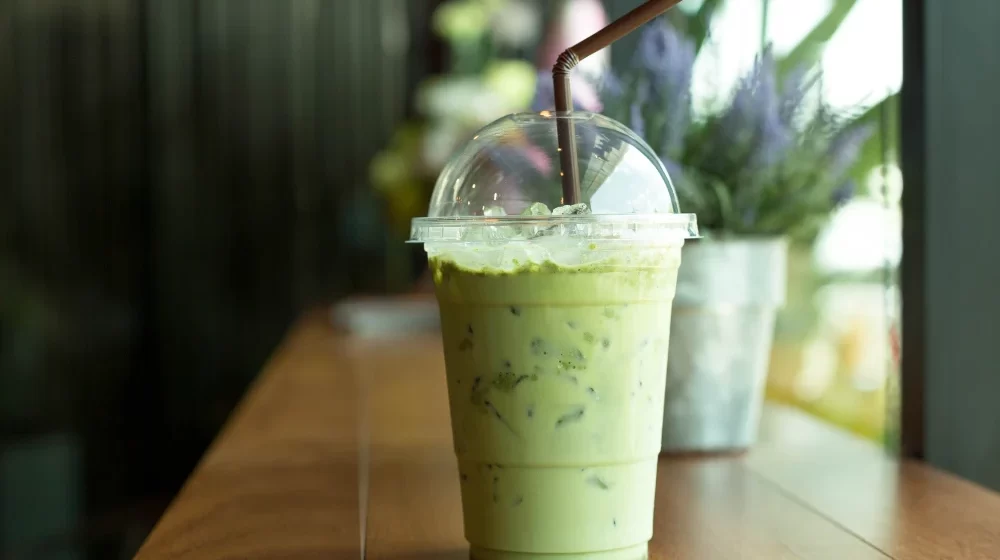
Matcha is today one of the hottest drinks trends and real, mass demand, not a passing fad. Matcha latte, iced and flavoured versions draw customers looking for an alternative to coffee: trendy, associated with health and “lighter” in feel. On top of that come the other cold drinks, which in the warm months can take over the bulk of sales when demand for hot coffee slows. It’s a segment that simultaneously rejuvenates the clientele and rescues results in the summer season.
Milkshake and protein shakes — what really sets FASTKAVA apart
Here lies the biggest advantage over an ordinary coffee machine. The milkshake is a hit among children, teenagers and whole families — a drink that sells where coffee has no chance: in malls, at car washes, at petrol stations, in entertainment zones. The protein shake, in turn, hits a growing group of active people, gym-goers and anyone watching their diet. For them, a protein shake available 24 hours a day, with no queue and no barista, is real convenience — a post-workout drink without leaving the venue. So one machine serves, over the course of a day, both the pupil after class and the athlete after the gym.
Hot chocolate and lemonades — closing out the seasons
Hot chocolate draws those who don’t drink coffee at all, children included, and boosts sales in winter. Lemonades — lemon, watermelon, strawberry — are a summer bestseller that offsets the drop in demand for hot drinks. Thanks to this pair, the machine has a “drink for every kind of weather”, and its revenue doesn’t collapse out of season.
The economics of a broad menu: where the extra profit comes from
Menu variety is not aesthetics or a marketing slogan — it’s a concrete financial mechanism. It works in five ways at once:
- More customers from the same footfall. Each category “reclaims” people a single-product machine would lose: non-coffee-drinkers, those looking for something cold, those wanting protein. The cost of acquiring that customer is zero — they’re already there.
- A higher average receipt. Premium drinks — matcha, protein shake, milkshake — are usually priced higher than a plain americano. Each such sale raises the average transaction value and, with low ingredient cost, feeds directly into margin.
- Sales across multiple windows of the day. Coffee in the morning, matcha or lemonade at midday, protein after a workout, milkshake after school, hot chocolate in the evening. The machine works across several peaks instead of a single morning one.
- Resistance to the season. Hot drinks sell in winter, cold ones and lemonades in summer. The menu balances itself, so revenue is stable all year, not just in the cold months.
- Harder to replace you. A single-category point is easy to swap for something cheaper. A machine with a full, thought-out menu builds customer habit and is more resistant to competition.
Let’s sum it up with a simple seasonal example. A classic coffee machine can show a marked dip in July — because few people drink hot coffee in 30-degree heat. The same point with iced matcha, iced coffee and lemonades not only doesn’t lose out but often records its peak cold-drink sales precisely in summer. That’s the difference between a business that “waits out” summer and one that earns on it.
Who each drink is for — a map of customers
A broad menu only makes sense once we tie each category to a real audience group. It’s also a hint for how to tune the menu’s accents to a specific location:
- Office workers — morning and afternoon coffee; increasingly matcha as a “lighter” alternative in the second half of the day.
- Youth and students — matcha, milkshake, flavoured and cold drinks; this generation drives the matcha trend and gladly shares such drinks on social media.
- Active people and gym-goers — protein shakes and matcha; a recovery drink on the spot, without leaving the club.
- Families with children — milkshake and hot chocolate; in malls and entertainment zones, this is often the youngest ones’ first choice.
- Customers on the go (stations, petrol stations, hotels) — a full cross-section depending on the time: coffee in the morning, cold drinks during the day, something sweet in the evening.
The same principle works in reverse: if you know who walks past your machine, you know which drinks to showcase. We write more about matching the menu to the location in a separate article on choosing a location.
Matcha, protein and plant-based drinks — trends that are here to stay
It’s easy to confuse a fad with a lasting change. The difference is that a fad disappears, while a cultural change remains and grows. Everything indicates that the directions driving sales today belong to the second category. Matcha is not a seasonal spike — its popularity has been growing for years and fits into a broader turn towards drinks associated with health. Protein drinks left the gym for everyday life along with the trend for mindful eating and activity. Plant-based drinks (oat, almond milk) went from a “for the few” option to a standard customers now openly expect.
For an investor this is key information: a machine that already covers these categories today doesn’t have to chase the market in a year or two — it’s already where the market is heading. Instead of building the whole business on a single product, it builds it on several growing pillars at once. It’s simply a safer bet.
How to build a menu that really sells
A broad menu doesn’t mean “throw everything in”. A simple rule works best: core everywhere, accents for the audience. The core is espresso-based coffee — it proves itself in any location and builds steady footfall. You choose the accents based on who walks past:
- Office building — a strong coffee core plus matcha and one or two cold drinks.
- Gym / fitness club — protein shakes and matcha front and centre.
- University, school, mall — milkshake, lemonades, flavoured drinks and matcha.
- Station, petrol station, hotel — a full cross-section, because the audience is the most varied and changes over the course of the day.
Too short a menu limits sales, while an over-inflated one needlessly complicates service and stocking. So it’s worth starting with a proven set and tuning it based on real sales data — and in a model with monitoring, that data is at your fingertips.
The FASTKAVA machine vs an ordinary coffee machine and classic vending
It’s worth separating three things that often get confused. Classic vending is most often powdered drinks or ready-made cans — cheap, but without freshness and without the café effect. A staffed café delivers the highest quality and experience, but comes with premises, staff, rotas and high fixed costs. The FASTKAVA self-service machine combines the strengths of both worlds: freshly prepared, café-quality drinks — including matcha, milkshake and protein shakes — with the simplicity and costs closer to a machine.
For the owner this means the best possible arrangement: the customer gets a product they associate with a café, and you don’t have to run a café. No renovation, no team of baristas, no rotas — but with a full, modern menu that actually sells.
Frequently asked questions
Will a single machine really make coffee, matcha and a protein shake?
Yes. The FASTKAVA self-service machine handles several drink categories in one device — from espresso and flat white, through matcha and cold drinks, to milkshake and protein shakes. The customer selects an item on the touchscreen, and preparation takes a few dozen seconds.
Does a broader menu mean more work to run it?
Not to a degree that changes things. Daily upkeep comes down to refilling ingredients and basic device hygiene. In the turnkey model, deliveries and servicing are on the supplier’s side, so a richer menu doesn’t translate into significantly more work for the owner.
Do matcha and protein shakes actually sell, or are they a niche?
They’re no longer a niche. Matcha is today one of the fastest-growing drinks in Poland, and protein shakes left the gym long ago. In the right location, these items can account for a significant part of turnover and clearly raise the average receipt.
What determines which drinks will sell best?
Above all, the location and the fit of the menu to the audience. At a gym, protein and matcha win; at a school, milkshake and flavoured drinks; in an office building, coffee with a matcha accent. The coffee core proves itself everywhere, and the accents are worth choosing for the location.
Want to see what one machine can do? Explore the full FASTKAVA drinks menu and the available self-service café models and choose a configuration for your location. If you’re thinking of it as an investment, also take a look at the passive-income page — you’ll see how a broad menu translates into a real return.