Protein shake: when to drink it, how much and how to make it at home
Types of protein, when to drink a shake, coffee before a workout, 3 simple recipes and common mistakes. Plus ready-made shakes at the gym.

CONTENTS
The protein shake stopped being a drink just for athletes long ago. Today you will find it in fitness clubs, on student campuses and in the office districts of Warsaw, Kraków, Wrocław and Gdańsk. It is popular with people who train at the gym, run, cycle or simply want to add more protein to their diet.
Interest in a healthy lifestyle has grown considerably in Poland in recent years. More and more people go to fitness club chains, take part in amateur runs and watch their diet. Against this backdrop the protein shake has also gained popularity as a convenient drink you can quickly make at home or buy after a workout.
That said, it is important to remember: a protein shake is not a substitute for a proper diet and is not intended to treat or prevent any illness. If you have a chronic condition, are pregnant or have dietary restrictions, consult a doctor or dietitian before adding it to your diet.
What a protein shake is and what it is made from
A protein shake is a drink in which the main source of protein is protein powder. These are the most common types of protein:
- whey protein;
- casein;
- soy protein;
- pea protein;
- plant protein blends.
As the liquid (base) you can use:
- water;
- cow’s milk;
- oat milk;
- soy milk;
- almond milk.
For your convenience, we have prepared a table showing the main differences between the types of protein:
| Type of protein | Characteristics |
|---|---|
| Whey | Dissolves quickly and is popular after a workout |
| Casein | Absorbed more slowly |
| Soy | Suitable for a plant-based diet |
| Pea | Often used in vegan products |
| Blend | Combines several protein sources |
The difference between them mainly comes down to origin and speed of absorption. For most people, regular meals and total protein intake matter more than the choice of a specific type of protein.
When to drink a protein shake: before or after a workout
One of the most common questions is about timing. In practice there is no universal answer. Many studies show that for most people, total protein intake over the day matters more than the specific time it is taken.
Most often a protein shake is used:
- After a workout.
- Before a workout.
- Between main meals.
- On a long journey.
- After an active day.
After exercise the drink is convenient because it is easy to prepare in advance and take with you in a shaker. A protein drink can also serve as a snack between breakfast and lunch, or between work and an evening workout. This is especially handy for people with a busy schedule. In Poland, protein shakes are often bought not only after strength training. For example, employees of business centres in Warsaw, Poznań or Katowice use the drink as a quick snack between meetings. It is convenient, practical and, above all, filling. You will see the same habit among students who combine studies, part-time work and sport. That said, it is important to remember that a protein drink helps supplement your diet but should not completely replace a proper meal with vegetables, sources of fibre and other important nutrients.
According to EFSA, protein requirements depend on age, body weight, level of physical activity and other factors. So there is no universal norm for everyone.
Coffee before a workout: is there any point?
For many Poles, a workout begins with a cup of coffee. That is hardly surprising, since coffee can be bought almost everywhere: at Orlen petrol stations, in Żabka shops, at railway stations or from self-service machines.
Coffee before a workout is a well-researched topic. Caffeine can temporarily increase concentration and perceived performance during physical exertion. According to EFSA recommendations, up to 400 mg of caffeine a day is considered safe for most healthy adults, and a single dose of up to 200 mg usually raises no concerns. In practice this could be:
- espresso;
- americano;
- filter coffee;
- cappuccino;
- iced coffee in summer.
Can you combine coffee and protein? Yes. Many sports enthusiasts make their protein shake with a base of chilled coffee. The result is a drink that nicely combines the taste of coffee with an extra source of protein.
3 simple recipes
Here is what you can easily make yourself as a quick snack in a glass:
Banana shake with peanut butter
Ingredients:
- 1 banana;
- 250 ml milk;
- 1 scoop of protein;
- 1 tablespoon peanut butter.
Method:
- Put the ingredients in a blender.
- Blend until smooth.
- Serve immediately.
Coffee protein shake
Ingredients:
- 200 ml chilled coffee;
- 100 ml milk;
- 1 scoop of protein;
- a few ice cubes.
Method:
- Combine the ingredients.
- Shake in a shaker or blend in a blender.
- Add the ice before serving.
Berry shake with plant milk
Ingredients:
- 200 ml oat milk;
- a handful of berries;
- 1 scoop of plant protein.
Method:
- Put the ingredients in a blender.
- Blend to a smooth consistency.
- Serve chilled.
This protein shake recipe is especially popular in summer, when you want lighter, more refreshing drinks.
Common mistakes
Even a good protein drink does not always deliver the expected convenience if it is made the wrong way.
The typical mistakes are as follows:
- too much sweet syrup;
- using the shake instead of a proper meal;
- too much sugar in additives;
- not enough liquid;
- poor mixing and lumps.
Also keep in mind that protein is only part of the diet, not a complete replacement for it. Vegetables, fruit, complex carbohydrates and enough water are just as important.
Protein shakes at the gym
After a session at the gym there is not always the time or the inclination to make a protein drink at home. That is why ready-made shakes are becoming popular in fitness clubs, sports centres and functional training studios.
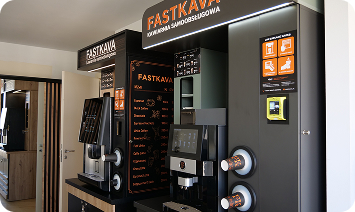
In recent years the grab-and-go format has been growing fast in Poland: the visitor can pick up a drink straight after a workout without waiting in a queue. Cold drinks are especially popular in summer, and iced coffee drinks in the morning. For sports venues this is a chance to offer an extra service without opening a full café or hiring staff. Drinks from a self-service café are always convenient. They are always available, and you can take not only your favourite flavour but experiment with new ones every time. In addition, the Standard with cold drinks and Premium versions of FASTKAVA self-service cafés offer smoothies and milkshakes, as well as coffee, matcha and hot chocolate. You will find this format next to gyms, swimming pools, tennis clubs or fitness studios, where visitors regularly buy drinks after training.
Conclusion
A protein shake can be a convenient addition to the diet for people with different activity levels. It is important to choose a composition to suit your preferences, keep an eye on your overall diet and remember that health depends not on one drink but on a whole set of habits. That is exactly why owners of sports venues may be interested in a machine that does more than coffee and offers a range of healthy alternatives too.
FASTKAVA coffee counters built on professional Jetinno machines offer an extended menu that, depending on the model, ranges from classic espresso and matcha to hot chocolate and cold milkshakes. It is a ready-made tool for monetising spare floor space at a sports venue.
Want to find out how to set up sales of healthy alternatives and get a payback estimate for your location? Contact the FASTKAVA team and we will help you choose the equipment configuration and the optimal financial model.
FAQ
Can you drink a protein shake every day?
Yes, if it is used as part of a balanced diet. For most healthy people daily consumption is not a problem, provided the overall diet is sensible.
How much protein is in one shake?
That depends on the recipe and the protein. In many cases one serving contains roughly 20–30 g of protein, but the exact figure should be checked on the product packaging.
Can you make a shake with water?
Yes. Water lowers the calorie content of the drink and makes it lighter. This option is often used after a workout or on the go.
Protein shake vs milkshake: what is the difference?
A protein shake is created first and foremost as an extra source of protein. A milkshake is usually seen as a dessert drink and may contain more sugar, syrups and other sweet ingredients.